
In today’s fast-moving world of logistics, delivery, and commercial transportation, safety and efficiency are more important than ever.
With rising fuel costs, strict compliance regulations, driver shortages, and increasing pressure to meet tight delivery windows, fleet operators are looking for smarter ways to manage their assets. This is where AI-powered fleet safety and telematics solutions are reshaping the game.
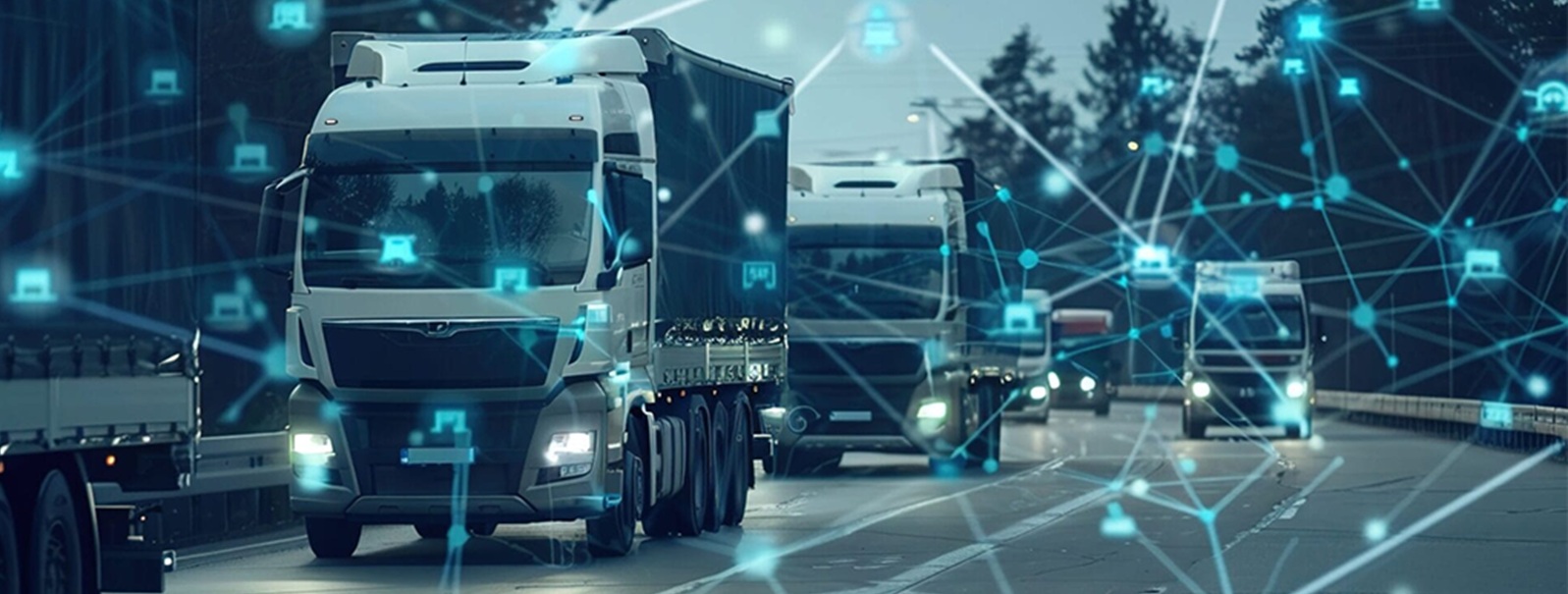
Combining traditional telematics with artificial intelligence, modern fleet management systems are no longer just about GPS tracking or engine diagnostics. Instead, they deliver real-time insights, predictive analytics, and proactive safety interventions that help fleet managers reduce risk, lower costs, and optimize performance across the board.
What Is AI-Powered Telematics?
Telematics, in its simplest form, refers to the use of technology to monitor a vehicle’s location, movements, status, and behaviour. But AI-powered telematics goes several steps further by incorporating machine learning, real-time data analysis, and computer vision to interpret patterns, flag risky behaviours, and even coach drivers on the spot.
For example, instead of just recording a harsh braking event, AI can now analyze why it happened: Was the driver distracted? Was there a car cutting in suddenly? Was the vehicle too close to another in traffic? These insights help fleet managers understand not just the what, but the why — which is critical for both safety and continuous improvement.
Key Features of AI Fleet Safety and Telematics Solutions
Here’s what today’s top AI-powered fleet platforms offer:
1. Driver Monitoring Systems (DMS)
In-cab cameras equipped with computer vision can detect driver fatigue, drowsiness, phone use, and even eye movement — and provide immediate audio alerts or send notifications to fleet managers.
2. ADAS (Advanced Driver Assistance Systems)
Using forward-facing cameras and sensors, AI helps drivers avoid collisions by warning them about lane departures, tailgating, sudden braking, and pedestrians.
3. Real-Time Video Telematics
Dual-facing dashcams continuously capture the road and the driver. If a risky event or collision is detected, the system automatically uploads and stores footage in the cloud for review or evidence.
4. Predictive Maintenance Alerts
AI algorithms track wear and tear based on driving habits, mileage, and sensor data, helping to forecast component failures before they happen — preventing costly breakdowns.
5. Automated Incident Detection
Instead of relying on manual reports, AI telematics systems automatically detect and log crashes, harsh maneuvers, and violations, providing time-stamped, video-backed incident data.
6. Driver Scorecards and Coaching
AI compiles data from multiple sources to generate performance scores for drivers based on safety, efficiency, and compliance — allowing for personalized coaching, recognition, and accountability.
Real-World Benefits for Fleet Operators
The integration of AI into fleet management isn’t just about adopting trendy tech — it offers real, measurable business outcomes.
Enhanced Safety
AI can drastically reduce the number of collisions and unsafe behaviours by proactively detecting issues before they lead to an accident. Some fleets report up to 60–70% fewer incidents after implementing AI safety systems.
Cost Savings
By optimizing driver behaviour and enabling predictive maintenance, companies can save:
- On fuel consumption through smoother driving habits
- On vehicle repair costs by fixing issues before breakdowns occur
- On insurance premiums by proving compliance and lowering risk
Greater Operational Efficiency
Real-time tracking, automated reporting, and route optimization allow dispatchers and managers to make faster decisions, reduce downtime, and increase overall fleet productivity.
Easier Compliance & Liability Protection
AI systems help ensure adherence to regulations like HOS (Hours of Service), and provide video evidence in the event of disputes or insurance claims — protecting both the driver and the business.
A Use Case: Safer Roads, Stronger ROI
Consider a mid-sized courier company with 75 delivery vans. After integrating an AI-powered fleet safety solution:
- Harsh braking and acceleration events dropped 62% in the first 90 days
- At-fault accidents reduced by 45% year-over-year
- Fuel efficiency improved by 10% across the fleet
- The company negotiated lower insurance premiums by sharing safety data and footage with underwriters
Driver feedback also improved. Many welcomed the real-time coaching features and the clarity provided by dashcam footage in the case of incident disputes.
The Future of Fleet Management Is AI-Driven
The role of artificial intelligence in fleet safety and telematics will only grow. As systems become more advanced, expect features like:
- AI-powered driver behaviour prediction
- Automated route planning based on live conditions
- Real-time vehicle-to-vehicle (V2V) and vehicle-to-infrastructure (V2I) communication
- Autonomous fleet coordination for certain logistics tasks
Fleet operators who adopt these technologies today are setting themselves up for long-term success in an industry that increasingly rewards safety, efficiency, and adaptability.
Final Thoughts
AI-powered fleet safety and telematics solutions are no longer optional — they’re essential tools for companies looking to stay competitive, protect their people, and build smarter operations.
Whether you’re managing a handful of delivery vans or hundreds of trucks across regions, leveraging artificial intelligence for fleet management can dramatically improve safety, reduce costs, and provide real-time clarity into every mile your business covers.