


In a significant stride towards a greener public sector, the UK government has extended the NHS Chargepoint Accelerator Scheme with an additional £4 million from the Department for Transport (DfT), announced on 27 February 2026.
This latest investment elevates the total funding to £22 million, incorporating £8 million from the DfT in 2025 and £10 million from the Department for Health and Social Care (DHSC) earlier in 2026. As the operator of the UK’s second-largest vehicle fleet—comprising approximately 20,000 medical vehicles that collectively cover 460 million miles annually—the National Health Service (NHS) stands to reap substantial economic and environmental rewards from this electrification push. For the logistics and transport sector, this development not only underscores the accelerating shift to zero-emission vehicles but also illuminates pathways for private operators to enhance efficiency, compliance, and competitiveness in an increasingly regulated landscape.
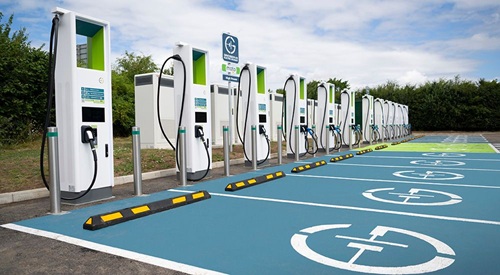
The NHS’s electrification initiative is poised to deliver multifaceted benefits. By facilitating the installation of hundreds of new electric vehicle (EV) charging sockets across England, the scheme builds on prior efforts that have already supported over 1,000 such installations. This infrastructure will power a growing array of zero-emission vehicles, including electric ambulances designed to maintain rapid response times while integrating seamlessly with the UK’s expansive network of over 116,000 public chargers. Financially, the transition promises savings in the tens of millions annually through reduced fuel and maintenance costs—savings that can be reinvested into frontline healthcare.
Environmentally, decarbonizing such extensive mileage will markedly improve air quality, particularly in sensitive areas around hospitals, aligning with the UK’s net-zero commitments. As Health Minister Karin Smyth noted, this move represents a “win-win” for patient care and planetary health, while Junior Transport Minister Keir Mather emphasized its role in modernizing one of the nation’s most vital fleets.
Yet, the true value of this announcement extends beyond the NHS, serving as a bellwether for the broader UK transport ecosystem. The logistics sector, facing mounting pressures from Zero Emission Vehicle (ZEV) mandates—which require 33% of new cars and 24% of new vans sold in 2026 to be zero-emission—must view this as a strategic inflection point. Industry analyses indicate that EV adoption is no longer a peripheral experiment but a core business imperative, with 47% of fleets planning electrification in the coming years and light commercial EVs already offering up to 13% lower total cost of ownership (TCO) compared to diesel counterparts.
As regulations tighten and economic uncertainties persist, operators who proactively embrace electrification can secure cost advantages, including fuel savings of £0.04-0.05 per mile and maintenance reductions of £6,000-12,000 per vehicle over its lifetime. Moreover, emerging trends in hydrogen for heavy-duty applications and AI-driven route optimization complement battery-electric solutions, addressing challenges in long-haul and high-load scenarios.
For logistics and transport operators networked through platforms like Logistics and Transport Network (LTN), this NHS blueprint unveils several high-potential opportunities to capitalize on the electrification wave:
- Strategic Fleet Upgrades and Incentive Utilization: With ZEV targets escalating, operators should prioritize data-driven assessments to identify viable EV integration points, mirroring the NHS’s analytical approach to infrastructure rollout. Government grants, similar to those bolstering the NHS scheme, remain accessible for EV acquisitions and retrofits. As evidenced by successful trials in sectors like retail and construction, early adopters can achieve 40-50% maintenance savings while enhancing sustainability credentials to attract eco-focused clients.
- Infrastructure Development and Partnerships: The surge in charging demand—exemplified by the NHS’s expansion—creates avenues for logistics firms to invest in or collaborate on depot-based and public charging hubs. Events such as the Optimal Charging: Fleet Electrification conference in March 2026 highlight shared opportunities among fleet operators, landowners, and infrastructure providers. Operators with expertise in site logistics could tender for installation projects, while intelligent energy management systems enable vehicle-to-grid services, turning fleets into revenue-generating assets.
- Supply Chain Integration and Service Diversification: The NHS’s emphasis on electric medical vehicles opens niches for suppliers and distributors of EVs, batteries, and telematics. Logistics providers can pivot to specialized transport for these assets, ensuring compliance with cybersecurity and grid stability regulations set to intensify in 2026. Broader e-mobility adoption fosters innovations like noise-reduced urban deliveries, ideal for last-mile operations, and partnerships with entities like Descartes Systems Group demonstrate how digital tools can slash emissions and fuel costs while boosting on-time performance.
- Talent and Regulatory Readiness: Addressing the skills gap in EV maintenance and operations is crucial, as highlighted by industry warnings that inadequate training could hinder the UK’s electrification goals. Operators should invest in upskilling programs to build resilient teams, positioning themselves for tenders in public-private collaborations, such as those in healthcare logistics. By establishing dedicated electrification ownership structures, firms can navigate TCO pressures and scale efficiently.
In conclusion, the NHS Chargepoint Accelerator Scheme extension is more than a funding announcement; it is a roadmap for sustainable transformation in UK transport. As LT News has consistently advocated in our Decarbonisation Series, the logistics sector must act decisively—leveraging analytics, forging partnerships, and embracing innovation—to thrive amid 2026’s challenges and opportunities. Those who do will not only comply with evolving mandates but also drive financial resilience and environmental stewardship. The electric future is here; it’s time for operators to plug in and power forward.