

Are drivers keeping up with modern car interiors, or are the cars moving faster than the people inside them?
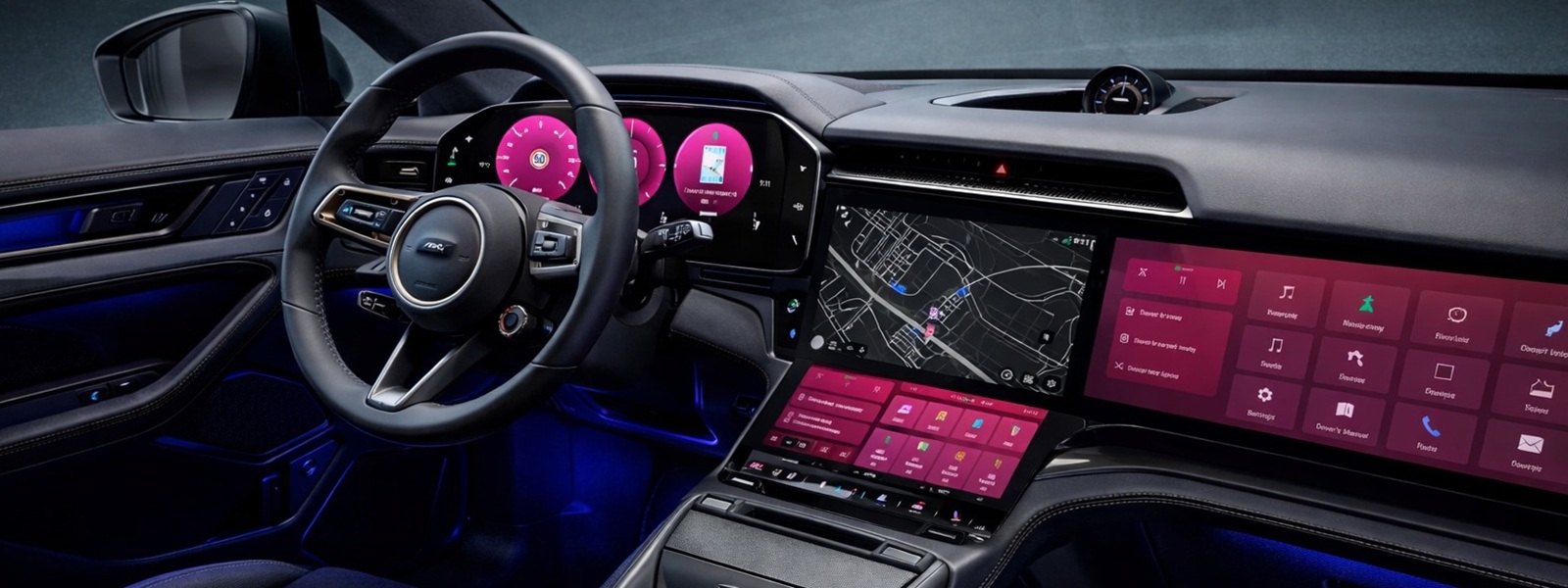
Step into almost any new car today, especially an EV, and the change is obvious. The dashboard is cleaner. Buttons are fewer. Screens are larger. What was once a forest of switches and dials has been replaced by a smooth panel of glass and pixels. To some, this feels modern and intuitive. To others, it feels like progress at the expense of safety and common sense.
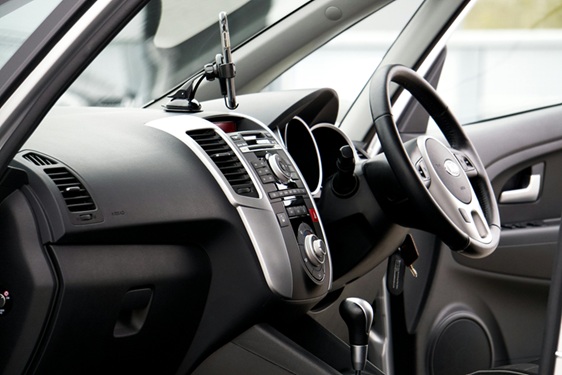
There is a growing chorus of drivers calling for a return to “proper” dashboards with physical buttons. Their argument is straightforward. Touchscreens require you to look away from the road. They are no different, they say, from using a mobile phone while driving, something rightly punished with fines and penalty points. In their view, the old system was safer because you could operate controls by feel alone.
That concern has gained official backing. Euro NCAP has announced that from January 2026, cars must have physical controls for core safety functions such as indicators, horn, wipers, hazard lights and emergency systems to qualify for a five-star safety rating. If those functions are buried in menus on a screen, manufacturers lose points.
On the surface, this sounds sensible. Nobody wants drivers scrolling through menus in a downpour trying to find the wiper setting. But it also raises an uncomfortable question. Is this decision about genuine safety, or is it catering to frustration from drivers who have not adapted to how modern cars are designed to be used?
What often gets overlooked in this debate is how little interaction many modern cars actually require once set up properly. Voice control is no longer a novelty feature. In many vehicles, pressing a single button on the steering wheel allows you to control wipers, temperature, radio, navigation, phone calls, seat heating and more without lifting a hand or glancing at a screen. Say what you want, and it happens.
Beyond that, automation has quietly taken over many tasks that once demanded constant input. Headlights switch on automatically when it gets dark and dip themselves for oncoming traffic. Wipers sense rain and adjust their speed accordingly. Navigation systems give clear spoken instructions so your eyes stay on the road. Climate control can be set once and forgotten. These systems are not gimmicks. They are specifically designed to reduce distraction, not increase it.
The touchscreen itself plays another important role, one that physical buttons simply cannot match. Software-over-the-air updates allow manufacturers to improve a car long after it has left the showroom. New features can be added. Existing controls can be refined. Interfaces can be simplified based on real-world feedback. In practical terms, your car can get better while it sits on your driveway.
That flexibility disappears with physical switches. A button does one thing and will always do only that thing. Adding new functions means adding hardware, wiring and workshop time. It is expensive, inefficient and outdated in a world where cars are increasingly defined by software.
This does not mean that every touchscreen layout is good. Some are poorly designed. Some bury essential controls too deeply. Some feel like they were created by engineers who never drove the car in traffic. Bad design deserves criticism. But that is a design problem, not an argument against digital controls as a whole.
The resistance feels familiar because we have seen it before. Every time technology shifts, there is a period of discomfort. Think about smartphones. Most people use a fraction of what their phone can do. Many never explore settings, shortcuts or voice assistants. Yet we do not argue that phones should go back to physical keyboards because some users never learned to swipe.
Cars are now going through the same transition. They are becoming software platforms on wheels, and that requires a change in mindset from drivers. Learning how to use voice commands, automation and digital interfaces is part of that shift.
So the real issue may not be whether digital dashboards are inherently unsafe. It may be whether we are willing to learn how to use them properly. Progress in car design has been aimed, largely, at making driving easier and safer. If drivers are struggling, the answer is better education and better interface design, not a wholesale retreat to the past.
The car is changing. The question is whether we are prepared to change with it.

linkedin.com/in/evchargingsolutions