

Advanced Solar Technologies: Maximizing ROI and Future-Proofing Logistics Facilities
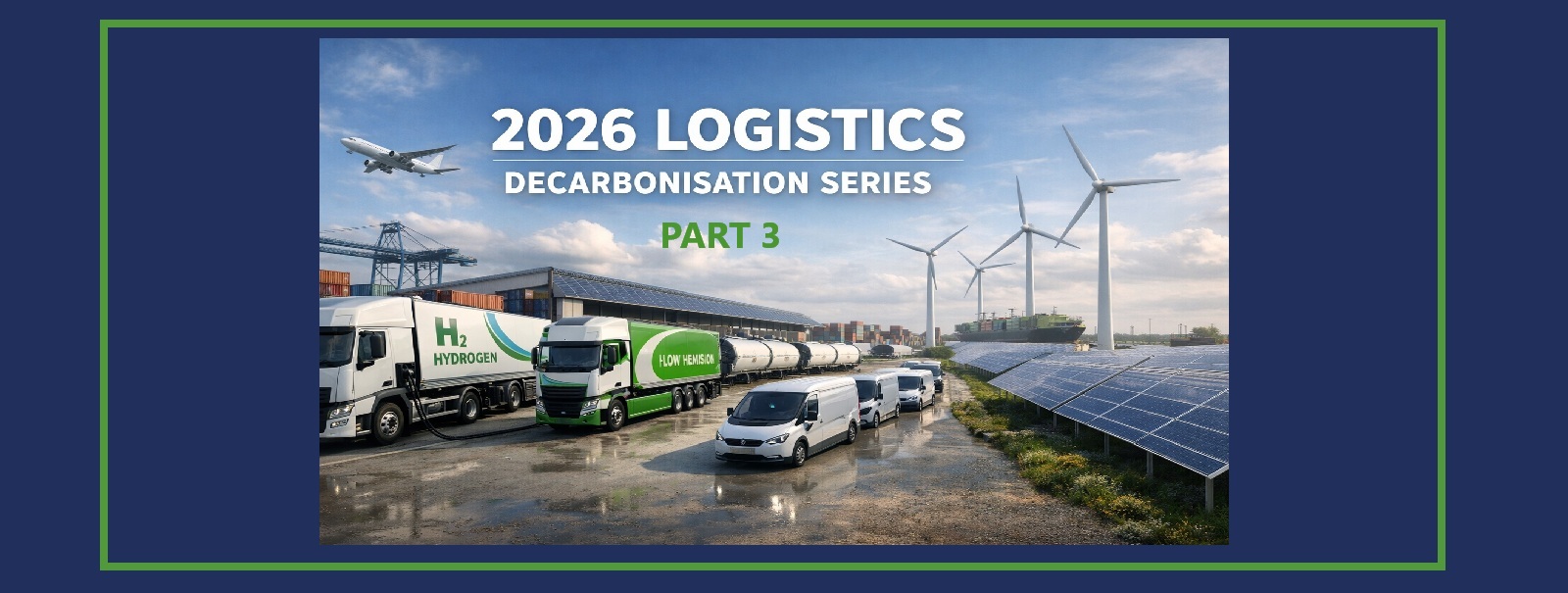
Part 3 of our “2026 Logistics Decarbonisation Series,” we build on the foundational solar PV systems in Part 1 and their synergy with EV infrastructure in Part 2 to explore advanced solar technologies—the innovations elevating rooftop and site-wide installations to new levels of efficiency, resilience, and return on investment. As UK logistics operators face tightening net-zero deadlines and energy cost pressures, these cutting-edge developments enable depots, warehouses, and distribution centres to evolve from basic solar adopters into fully optimized, self-sustaining energy producers. Logistics and Transport Network remains your trusted guide, delivering expert insights and forward-looking strategies to empower fleet managers, operators, and executives. In 2026, advanced solar isn’t an upgrade—it’s the key to long-term competitive advantage, integrating seamlessly with EV charging and operational demands for maximum impact.
Current Trends: The Evolution of Advanced Solar in Logistics
2026 marks a pivotal shift toward next-generation solar technologies tailored for commercial-scale logistics facilities. Bifacial panels—capturing light from both sides—are gaining traction, boosting energy yield by 10-30% on reflective warehouse roofs without additional space. Solar canopies over parking areas and loading bays are proliferating, dual-purposing structures to power on-site EV charging (as covered in Part 2) while providing shaded workspaces. Perovskite-tandem cells, entering commercial viability, promise efficiencies exceeding 30% (up from today’s 22-25%), with pilot deployments in UK industrial sites demonstrating 20% higher output in diffuse light conditions common to British weather.
Industry conversations on LinkedIn and X spotlight “integrated solar ecosystems,” where advanced inverters and microgrids combine rooftop arrays with ground-mounted or floating systems for uninterrupted power during peak operations. Leading logistics players are deploying solar + battery hybrids at scale, achieving 80-90% energy self-sufficiency and exporting excess via enhanced Smart Export Guarantee rates. With the Solar Roadmap driving policy support, 2026 sees accelerated adoption of AI-optimized solar tracking and predictive maintenance, minimizing degradation and extending panel lifespans to 35-40 years. This wave aligns with broader trends: UK solar deployments are on track for 5-7 GW added capacity this year, with logistics rooftops contributing disproportionately due to their scale and structural suitability.
Actionable Insights: Enhanced ROI and Performance Metrics
Advanced solar technologies are compressing payback periods to 4-7 years for logistics sites, with IRR climbing to 20-25% when layered with EV integration and export revenues. For a 500,000 sq ft distribution centre, upgraded bifacial or perovskite systems could generate 2-3 MW, yielding £500,000-£800,000 in annual savings and offsets—amplified by 30-50% through intelligent energy storage that captures excess for nighttime EV charging or grid sales. Degradation rates are falling to 0.25% annually with new coatings, while modular designs allow seamless expansion as fleet electrification grows.
Market data underscores the momentum: Commercial solar installations in the UK are projected to grow 15-20% in 2026, with logistics leading due to high daytime loads matching peak solar production. Hybrid setups reduce reliance on diesel generators by 70-80%, enhancing resilience against outages and supporting 24/7 operations.
| Key 2026 Advanced Solar Metrics for Logistics | Projection/Insight |
| Efficiency Gains | Bifacial: +10-30%; Perovskite-tandem: 30%+ efficiencies. |
| Enhanced Annual Savings | £500K-£800K for large sites; 80-90% self-sufficiency with hybrids. |
| Payback & IRR | 4-7 years; 20-25% IRR with storage/EV integration. |
| Lifespan & Degradation | 35-40 years; 0.25% annual loss with advanced coatings. |
| Deployment Growth | 15-20% increase in commercial solar; logistics rooftops key driver. |
Empowerment in Action: Next Steps for Maximizing Your Solar Investment
We’re dedicated to equipping you for sustained success—here’s a strategic roadmap to advance your solar installations in 2026:
- Technology Audit: Assess existing or planned Part 1 systems for upgrades; evaluate bifacial/perovskite options and canopy feasibility to boost yield and support EV charging expansion (Part 2).
- Incentive and Financing Optimization: Maximize remaining year-end reliefs like Annual Investment Allowance before March 2026; explore enhanced SEG tariffs and green financing for advanced hybrids.
- Advanced Integration Planning: Incorporate AI forecasting and microgrids for dynamic energy allocation; design for V2G compatibility to monetize stored solar power through electrified fleets.
- Expert Partner Selection: Engage installers specializing in logistics-scale advanced solar—prioritizing those with experience in hybrid battery systems, canopies, and minimal-disruption retrofits. Power Purchase Agreements remain ideal for scaling without capex strain.
Advanced solar technologies transform initial investments into enduring assets, future-proofing your facilities against rising costs and regulations. This series has mapped the path from foundational PV to integrated, high-performance systems—thank you for joining us. We’re committed to ongoing support—share your advanced solar plans or upgrade experiences in the comments; your insights help connect the community with leading expertise.
What advanced solar technologies are you considering for 2026?