
In the evolving UK logistics and transport sector, where sustainability is no longer optional but essential for long-term viability, accessing net zero finance through grants and pilots represents a powerful pathway to innovation and cost savings.
As we progress through 2026, small and medium-sized enterprises (SMEs) in haulage, freight, and supply chains are uniquely positioned to leverage these opportunities, transforming regulatory pressures into competitive advantages. This guide provides actionable insights for UK transport businesses, helping you navigate funding landscapes to reduce emissions, enhance efficiency, and integrate renewable solutions like solar energy into your operations.
The Current Landscape: Seizing Opportunities in UK Sustainable Transport
The push towards net zero by 2050 is reshaping the UK transport industry, with SMEs at the forefront of adopting green practices amid rising fuel costs and emission targets. Recent government commitments, including mandatory reductions under the UK’s Net Zero Strategy, have spotlighted funding to support energy-efficient upgrades and low-carbon innovations. For logistics firms operating in key regions like the Midlands, North East, and Scotland, this means grants that can offset investments in electric fleets, optimised routing, or renewable-powered depots.
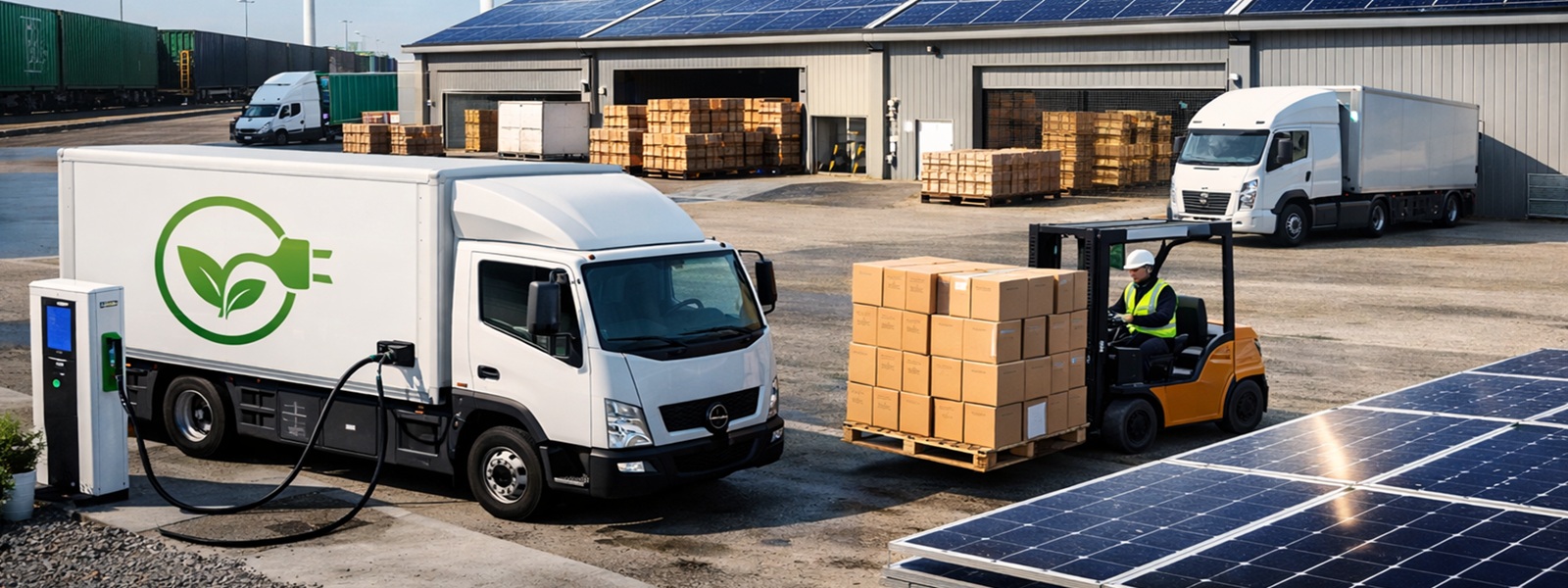
Positive developments abound: the sector is seeing a surge in available finance, with programmes designed specifically for SMEs to cut operational costs while meeting EU Corporate Sustainability Reporting Directive requirements and UK emissions standards. Challenges such as high upfront costs for sustainable tech are being addressed head-on, turning them into growth drivers. For instance, integrating solar panels on warehouse roofs or EV charging stations not only aligns with net zero goals but also delivers tangible savings on energy bills, making these initiatives attractive for transport businesses nationwide.
Key Grants and Pilots: Tailored Solutions for UK Logistics SMEs
A range of targeted funding options is available in 2026, focusing on pilots and grants that enable SMEs to test and implement sustainability measures without excessive risk. Here’s a breakdown of standout opportunities relevant to transport and logistics:
- Innovate UK’s Net Zero Living Programme: This £60 million, three-year initiative supports places and businesses across the UK in accelerating net zero transitions. For transport SMEs, it funds digital tools for efficient supply chains and pilot projects in low-emission logistics, ideal for trialling solar-integrated facilities in urban hubs like London or Manchester.
- Freight Innovation Fund: Offering up to £130,000 per SME, this £1.1 million pot backs nine firms in developing technologies for freight challenges, such as AI-driven decarbonisation or renewable energy pilots. Logistics businesses can use it to explore solar-powered tracking systems or sustainable warehousing, fostering innovation in regions like the North West.
- Energy Catalyst and Smart Grants: These Innovate UK schemes provide competitive funding for energy-efficient solutions, including pilots for renewable integrations in transport operations. SMEs in haulage can apply for grants to install solar arrays that power EV fleets, reducing reliance on grid energy and cutting costs.
- General Sustainability Support Funds: New pots worth £2 million help SMEs invest in energy efficiency, with grants covering audits, upgrades, and pilots. For transport firms, this could mean funding solar installations on depots or vehicles, aligning with broader goals like the UK’s 78% emissions reduction by 2035.
These programmes emphasise quick-access finance for pilots, allowing UK SMEs to demonstrate viability before full-scale rollout. Solar energy stands out as a versatile solution here, enabling transport businesses to generate on-site power for charging infrastructure or operations, while qualifying for green incentives.
Actionable Steps to Secure Net Zero Finance for Your UK Transport Business
To empower your SME and capitalise on these opportunities in 2026, follow these practical, UK-centric steps:
- Assess Your Needs: Conduct an internal audit of your emissions and energy use, focusing on areas like fleet electrification or depot sustainability. Identify how solar solutions could integrate, such as powering EV chargers in high-traffic areas like Birmingham or Glasgow ports.
- Explore Eligibility and Apply: Visit government portals like GOV.UK or Innovate UK for application details on programmes like the Net Zero Living or Freight Innovation Fund. Prioritise pilots that match your scale, with many offering streamlined processes for SMEs to secure funding swiftly.
- Partner for Success: Collaborate with renewable experts, such as solar providers, to co-develop pilot proposals. This not only strengthens applications but also ensures tailored implementations that deliver immediate efficiency gains in your logistics network.
- Monitor and Scale: Start with small pilots funded by grants, track ROI through reduced energy costs, and scale successful initiatives like solar-powered operations across your UK sites.
By tapping into these net zero finance options, UK transport SMEs can not only comply with evolving regulations but also achieve operational excellence and cost efficiencies. Embracing solutions like solar energy through funded pilots positions your business as a leader in sustainable logistics, ready to thrive in a greener future.
Newscast Media Group Ltd. and it’s platforms operate outside the scope of FCA regulation. We do not provide finance advice, make recommendations, or arrange financial products. Any interaction between members and financial partners is initiated solely by the member, following their own independent review of publicly available information.