
Powerful Testament That Geopolitical Disruptions, Fuel Surges and Port Congestion Are Still Crushing UK Supply Chains — And What Operators Can Do
UK fleet operators, depot managers, and supply chain teams are under severe pressure right now. Ongoing Middle East tensions, spiking fuel and energy costs, port congestion, rail disruptions, and unpredictable lead times are squeezing margins harder than ever. Many operators are dealing with higher landside transport costs, delayed vessel pickups, and the constant need to reroute cargo — all while trying to keep customers happy and operations running smoothly.
The big question on everyone’s mind: How long will these disruptions last, and what practical steps can we actually take?
Maersk has just delivered a clear and powerful testament that even the world’s largest container shipping company is actively tackling these exact industry pressures head-on.
In its Europe Market Update for April 2026 (published 1 April 2026), Maersk lays out the current reality across European supply chains and gives operators straight-talking guidance on how to navigate it.
Key highlights from the update include:
- Middle East disruptions continue to affect transport corridors, with low visibility and high risk across ocean and air routes.
- Fuel and energy costs have surged dramatically due to security issues in the Strait of Hormuz (which handles ~20% of global fuel). Maersk has introduced temporary cost-reflective fuel price adjustments on landside and intermodal operations in several countries to maintain service continuity.
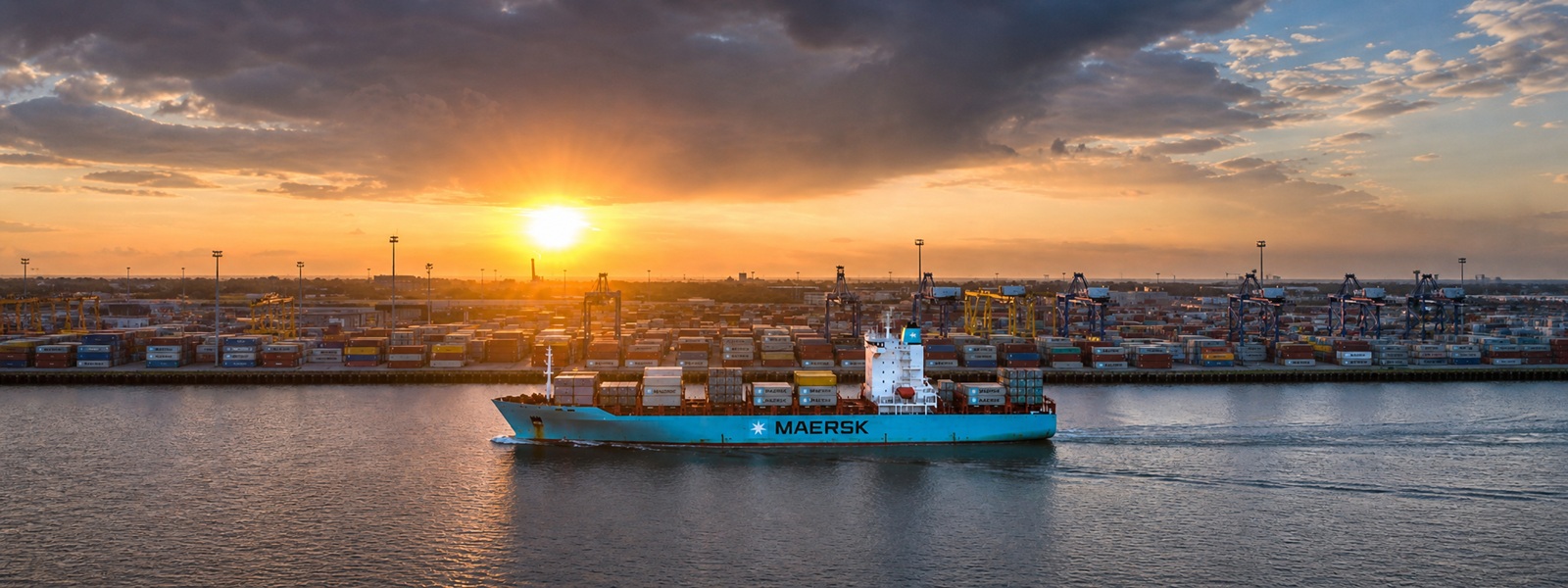
- Port congestion in Rotterdam remains a major issue, driven by vessel delays, recent storms, strong winds, and high yard density — customers are strongly urged to collect import units promptly.
- Rail disruption in Barcelona — the Rubí tunnel closure (effective since mid-March) has suspended key services to Toulouse and Lyon for 5–7 weeks, forcing alternative routings.
- Air freight capacity is under pressure because roughly one-third of Asia-Europe flights normally route through the Middle East.
- Cross-border and customs pressures are increasing, with new documentation fees and heightened EU scrutiny on e-commerce and small-parcel shipments.
Maersk is actively helping customers mitigate these issues with alternative routings, multimodal solutions, ETA notifications, and advice on diversifying sourcing and nearshoring strategies.
What this means for UK operators
This isn’t generic industry commentary — it’s a major global player confirming that the pressures UK logistics teams are feeling daily are real, widespread, and likely to continue in the short term. By being transparent and offering concrete actions, Maersk is showing how large-scale operators can stay resilient.
For UK fleets, depots, and supply chain managers the immediate takeaways are:
- Fuel cost management — Expect continued landside surcharges; factor them into quotes and explore Maersk’s inland transportation services for more predictable pricing.
- Port efficiency — Prioritise rapid collection at congested hubs like Rotterdam to avoid extra storage fees and delays that ripple back to UK operations.
- Route flexibility — Plan alternative rail/ocean/intermodal options now (especially around Barcelona and other disrupted corridors) to protect lead times.
- Risk planning — Start integrating geopolitical risk into your sourcing and routing decisions — diversification and nearshoring are no longer “nice-to-have”.
- Visibility tools — Sign up for real-time ETA notifications and work with partners who can offer multimodal or sea-air combinations when ocean routes are strained.
If you’re running UK road freight, ocean import/export, or end-to-end supply chains and feeling the squeeze from these ongoing disruptions, Maersk’s April update is a timely reminder that the biggest players are dealing with the same challenges — and they’re already providing the practical playbook to get through them.
The full original Maersk Europe Market Update is available here: Maersk Europe Market Update April 2026