|
The transport and logistics industry depends on one critical factor above almost all others: alert, capable and healthy drivers.
Whether operating a long-haul articulated vehicle, managing regional deliveries or working night shifts across the country, professional drivers are responsible for safely controlling vehicles that can weigh up to 44 tonnes while sharing the road with other motorists, cyclists and pedestrians.
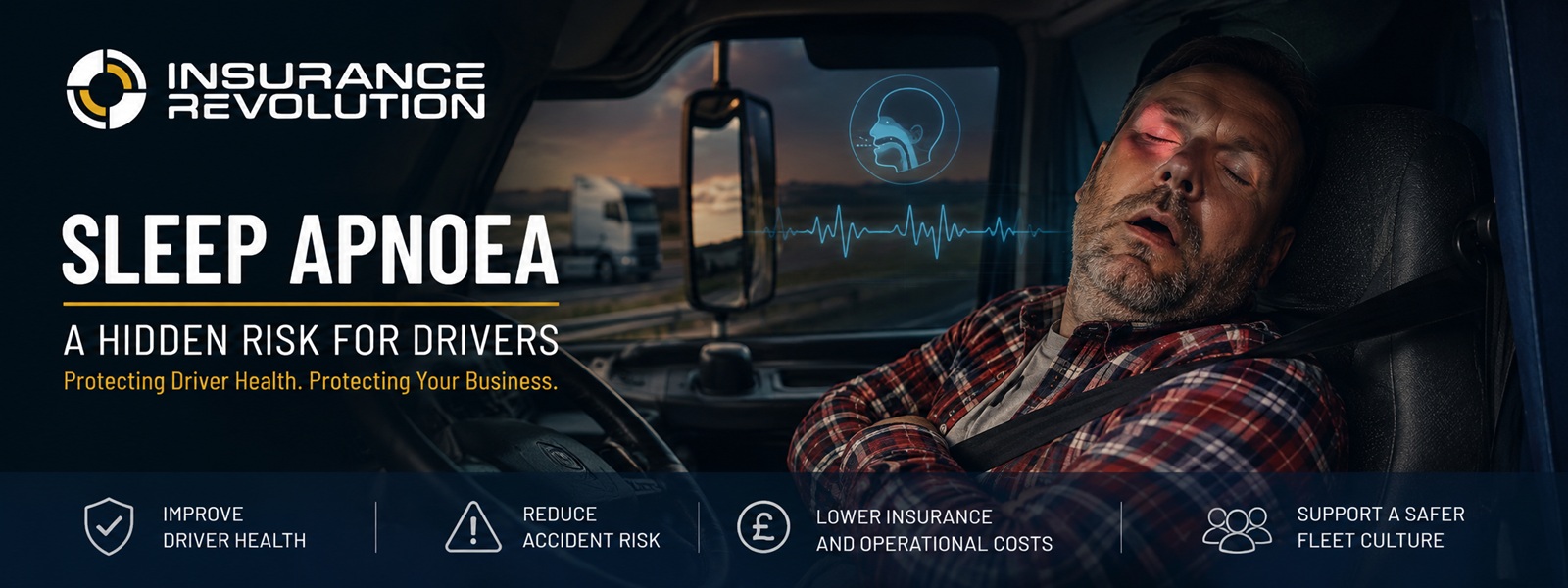
Yet one health condition continues to affect thousands of drivers without them even knowing it: sleep apnoea.
Often dismissed as little more than loud snoring, sleep apnoea can have significant consequences for driver health, road safety, employer risk management and even insurance considerations.
What Is Sleep Apnoea?
Obstructive Sleep Apnoea is a condition in which a person’s airway repeatedly becomes partially or completely blocked during sleep. This interruption can occur dozens or even hundreds of times during the night.
The result is fragmented, poor-quality sleep despite spending what appears to be a full night in bed. Many sufferers are completely unaware the condition exists until a partner notices symptoms or a medical assessment is carried out.
Why It Matters for HGV Drivers
- Long sedentary working hours
- Irregular shift patterns
- Night working
- Weight gain and obesity
- Limited opportunities for regular exercise
- Poor sleep routines caused by operational schedules
|
The condition can significantly impair alertness and concentration, increasing the risk of fatigue-related incidents. For a driver responsible for a large commercial vehicle travelling at motorway speeds, even a brief lapse in concentration can have serious consequences.
Common Symptoms Drivers Should Watch For
- Loud, persistent snoring
- Pauses in breathing during sleep
- Excessive daytime tiredness
- Morning headaches
- Difficulty concentrating
|
- Memory problems
- Irritability or mood changes
- Falling asleep when sitting quietly
- Feeling unrefreshed after sleep
- Possible microsleeps
|
The Wider Health Risks
Left untreated, sleep apnoea has been linked to high blood pressure, heart disease, stroke, type 2 diabetes, depression, anxiety and increased cardiovascular risk.
The encouraging news is that effective treatments are available, and many individuals experience substantial improvements once diagnosed.
DVLA, Disclosure and Driver Responsibility
Professional drivers have a responsibility to ensure they are medically fit to drive safely. If a driver experiences excessive daytime sleepiness or suspects sleep apnoea, seeking medical advice should be a priority.
Being diagnosed with sleep apnoea does not automatically mean a driver loses their licence. Many drivers continue operating professionally once appropriate treatment is established and medical requirements are satisfied.
The Insurance and Risk Management Implications
Sleep apnoea is increasingly being recognised within broader fleet risk management strategies. From an employer’s perspective, unmanaged fatigue can contribute to increased accident risk, vehicle damage, personal injury claims, higher operational costs, reputational damage and potential legal liability.
For fleet operators, this highlights the importance of having robust driver health and wellbeing policies alongside vehicle safety and insurance programmes.
|
Creating a Culture of Prevention
Encouraging regular health checks, educating drivers about sleep disorders and promoting early intervention can help reduce risk while improving quality of life for employees.
Because when it comes to road safety, a good night’s sleep may be every bit as important as maintaining the vehicle itself.
Fleet Insurance Support from Insurance Revolution
For fleet operators reviewing risk, safety and insurance arrangements, Insurance Revolution can help you explore cover designed around the realities of modern transport and logistics operations.
Call: 0330 808 1569
|
|