

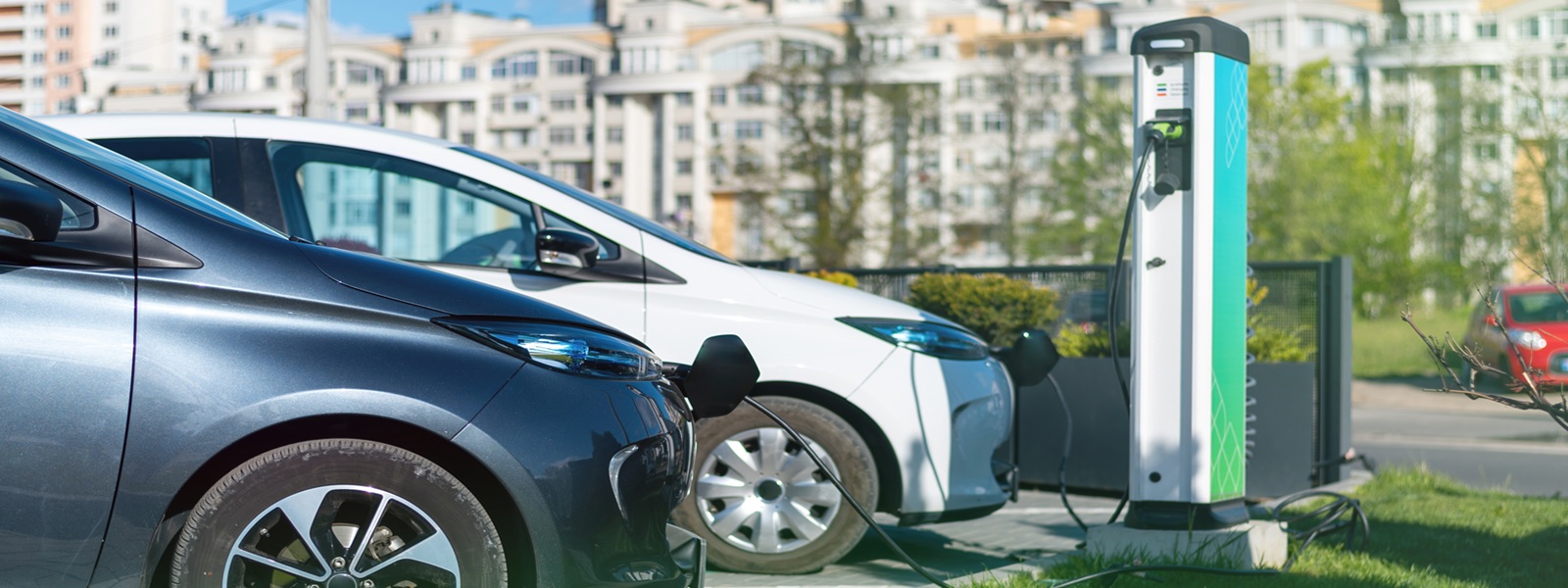
Electric vehicles (EVs) are widely seen as a cornerstone of reducing fleet emissions, but in reality, the success of electrification is rarely determined by the vehicles themselves. More often, it comes down to how effectively charging infrastructure is planned, implemented and managed.
For many fleets, depot charging is where long-term performance, reliability and cost control are ultimately decided. When done properly, it ensures vehicles are consistently ready for use while reducing reliance on more expensive public charging networks. As a result, depot electrification is quickly becoming a priority across both the public and private sectors.
Recent industry data highlights just how strong this demand has become. Analysis from a Freedom of Information request by Drax Electric Vehicles revealed that 284 applications were submitted during the pilot phase of the Depot Charging Scheme, each seeking access to funding of up to £1 million. Of these, 72% came from private sector organisations, while 21% were from local authorities. This broad mix of applicants demonstrates that the push toward electrification is not limited to one sector—it is a nationwide shift.
The government has responded accordingly. A new £170 million programme launched in March 2026 and will run through to 2030, with the first funding window open until 30 June 2026. The scheme covers up to 70% of charge point and associated infrastructure costs, making it a significant opportunity for fleets looking to invest.
However, while funding helps, it does not guarantee success. The foundations of any depot charging strategy need to be carefully considered from the outset.
Starting with Data
The first step for any fleet should be understanding how its vehicles actually operate. Without this, decisions about charging infrastructure are based on assumptions rather than evidence—often leading to overspending or underperformance.
Telematics data provides the clearest picture, offering insights into journey patterns, mileage, dwell times and periods when vehicles are stationary. Where telematics is not available, operational profiles based on driver activity, routes and job functions can still provide a solid starting point.
In many cases, this analysis reveals that vehicles spend more time at the depot than expected, which can significantly influence the type and scale of charging infrastructure required.
Understanding Site Capability
Equally important is understanding what the depot itself can support. Existing grid connections place limits on how many vehicles can charge simultaneously, and exceeding those limits can create delays and additional costs.
A proper site assessment will identify available capacity and highlight whether smart charging solutions can manage demand or if a grid upgrade is required. In some areas, upgrades can take over 18 months, making early planning essential.
Aligning with Operations
Fleet electrification is not just a technical exercise—it is an operational one. Charging infrastructure must align with shift patterns, vehicle turnaround times and the overall flow of activity within the depot.
For example, fleets with predictable overnight downtime can rely on slower, cost-effective charging, while those operating around the clock may require a mix of charging speeds to maintain availability.
Designing the Right Infrastructure
A common mistake is assuming that faster charging is always better. In reality, high-powered chargers come with higher costs and are only necessary in specific scenarios.
For most depots, a combination of slower, strategically placed chargers will deliver the same outcomes at a lower cost. Layout is also critical—poor cable management or unsafe positioning can create operational and safety risks.
Planning for the Future
Finally, depot charging should be part of a broader energy strategy. Smart energy management systems can balance demand, reduce peak costs and even remove the need for expensive grid upgrades.
Fleets should also think long-term. Installing additional infrastructure capacity during the initial build can make future expansion far easier and more cost-effective. Technologies such as battery storage and on-site renewables are also becoming increasingly viable options.
Looking Ahead
With government support at its highest level yet, including generous funding through the Depot Charging Scheme, fleets have a clear opportunity to accelerate their transition to electric vehicles.
But funding alone is not enough. Those that take a data-led approach, understand their operational needs and plan infrastructure carefully will be best positioned to reduce costs, maintain performance and scale effectively as electrification continues to grow.